This Is Why We Dance: On the Body That Remembers What Colonization Tried to Erase
“This is why we dance: We have wounded feet but the rhythm remains.”
— Mohammed El-Kurd, Rifqa
The First language
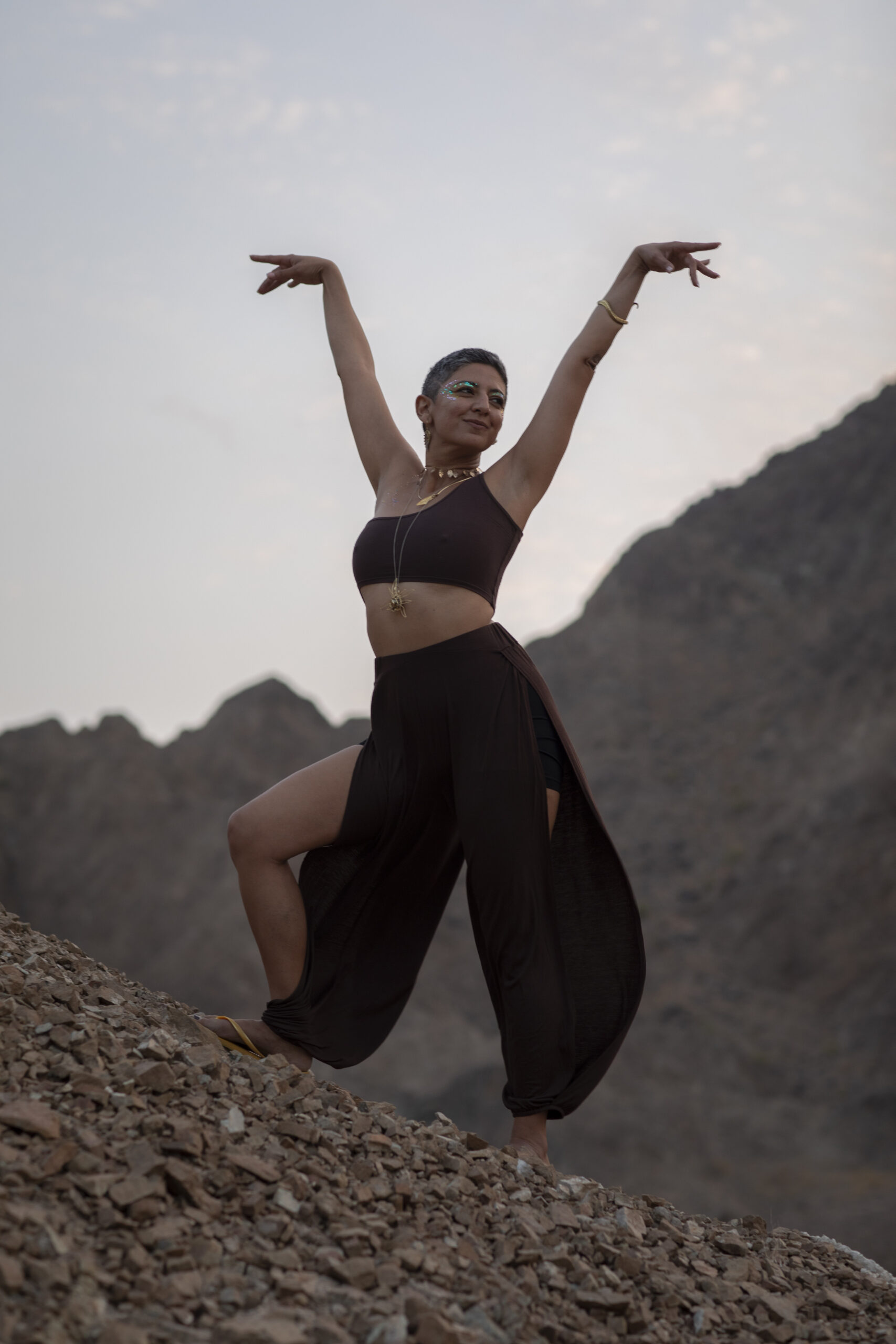
I recorded myself dancing to these words. Not choreographed. Not performed. Just my body responding to a poem that said out loud what my bones have always known: that dance was never a luxury. It was, and remains, the first language of the body under siege.
Mohammed El-Kurd’s poem “This Is Why We Dance” lives inside the collection Rifqa, named after his grandmother who was older than Israel itself. The poem holds a devastating truth: that for colonized peoples, even anger is a luxury. The father says be composed, calm, still. Smile when they talk. And so the body does what the voice cannot, it moves. It drums on pots and pans. It sways between grief and belly dance music on a television screen during bombings. It dances because screaming isn’t free.
This is not metaphor. This is history. And it is not only Palestinian history, it is the shared inheritance of every indigenous body on this earth.
Dance Before It Was “Therapy”
Long before the West coined the term “dance therapy” in the 1940s, indigenous peoples across every continent understood that the body processes what the mind cannot hold. West African griots danced stories into communal memory. First Nations peoples danced for rain, for harvest, for the grief of loss, and were punished for it under colonial law. Aboriginal Australians carried sixty thousand years of songlines in their bodies. Sufi whirling dissolved the ego to reach the Divine. Indian classical dance forms encoded entire cosmologies in gesture and rhythm. And in Palestine, the dabke, feet striking the earth in unison, has always been an act of collective belonging, of saying: this land knows my body, and my body knows this land.
These were not recreational activities. They were technologies of survival. The body was the pharmacy, the protest sign, the prayer mat, and the archive, all at once.
What Colonization Did to the Dancing Body
Colonization didn’t just steal land. It disciplined the body. Missionaries banned ceremonial dance across Africa, the Americas, Australia, and the Pacific. The US government outlawed the Sun Dance in 1883 and didn’t lift the ban until 1934. Enslaved Africans in the Caribbean were forbidden from drumming because the colonizers understood what the rhythms carried: memory, solidarity, the possibility of uprising. In India, the Devadasi tradition was criminalized under the British, severing dance from its sacred roots and reducing it to spectacle.
The message was consistent across centuries and continents: your body’s indigenous language is dangerous. Be still. Be composed. Be civilized.
El-Kurd’s father echoes this colonial instruction when he says anger is a luxury they cannot afford. This is not a failing, it is the survival calculus of the colonized. And dance becomes the crack in that composure where the truth leaks out.
Dance as Resistance, Dance as Reclamation
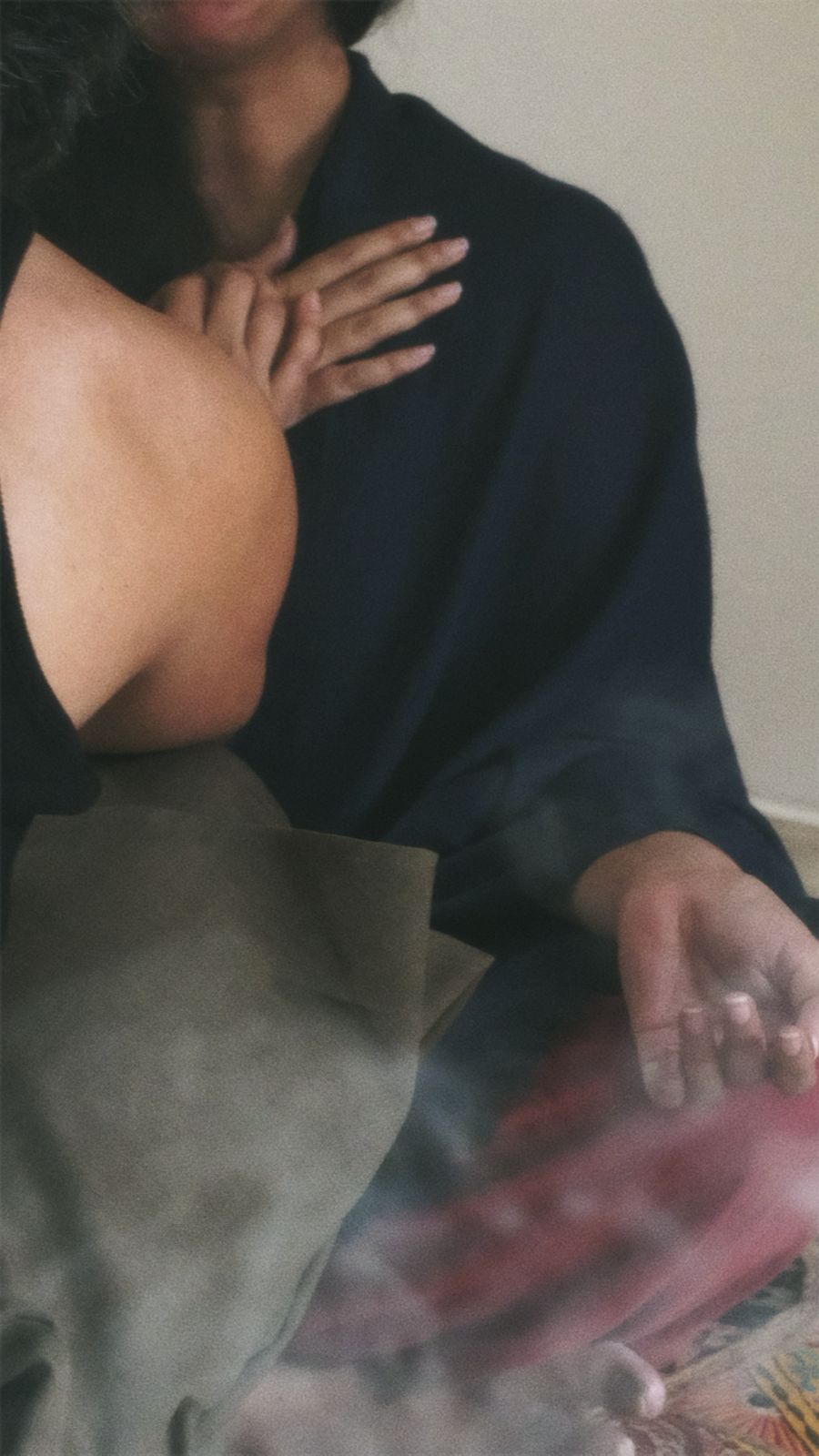
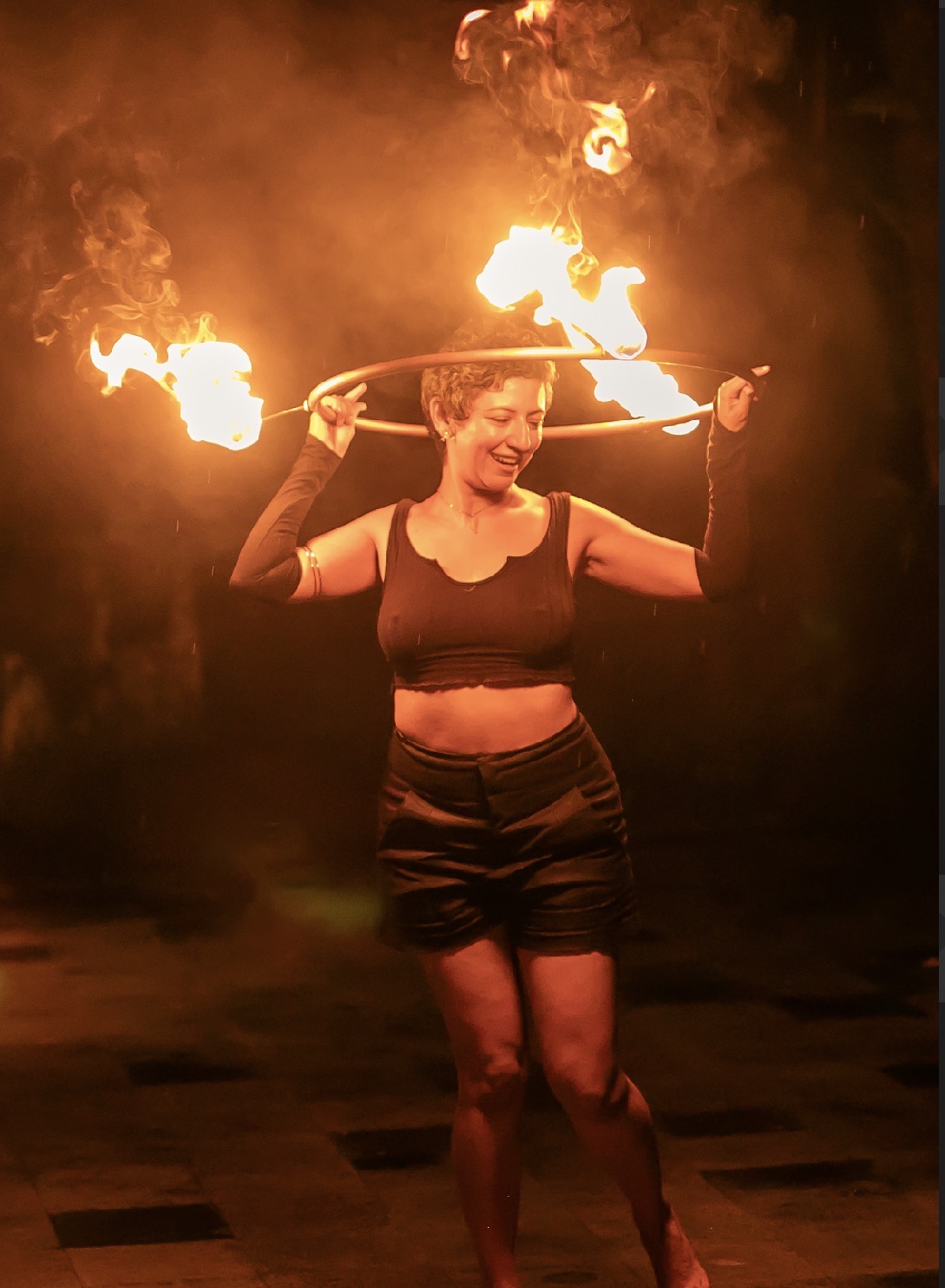
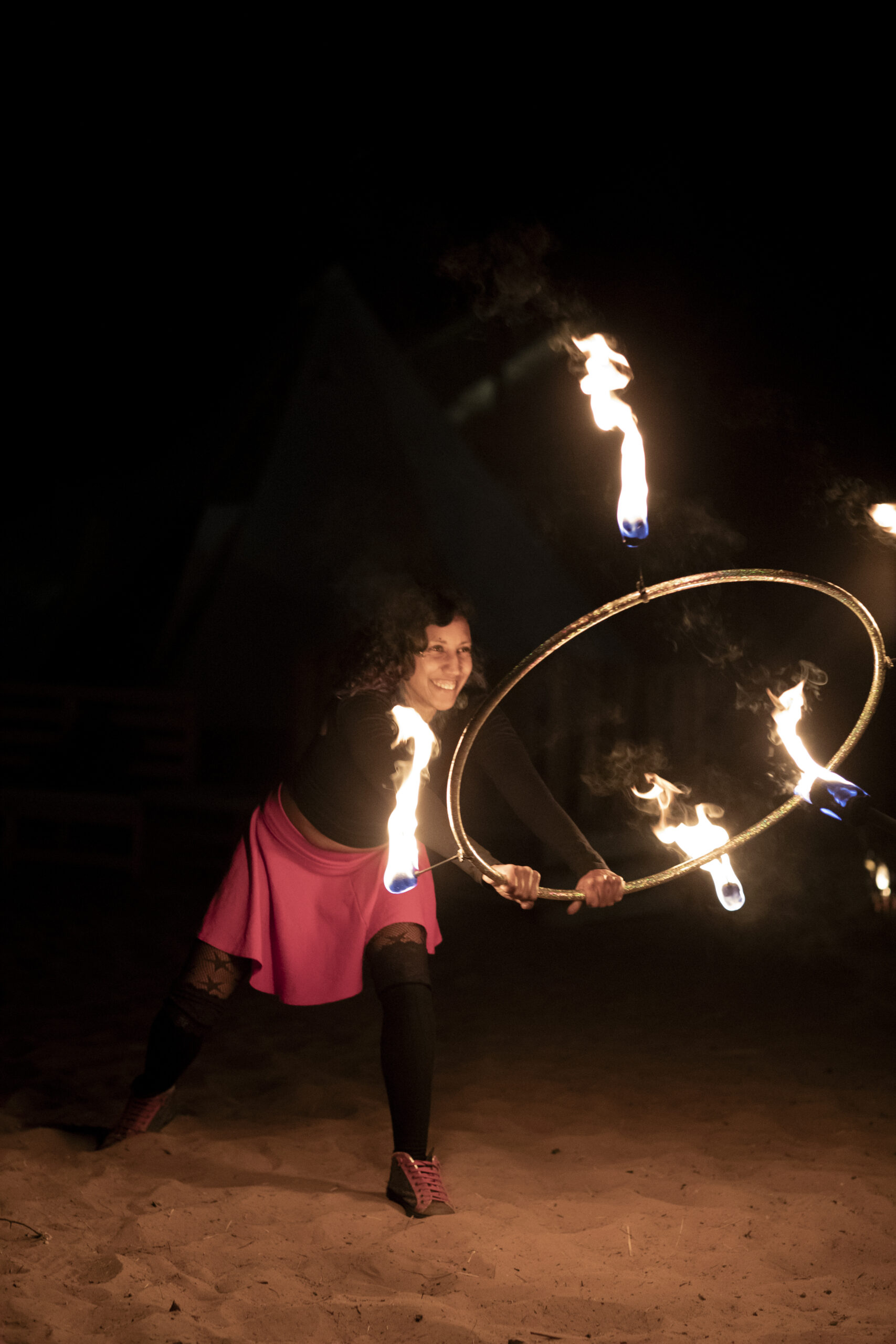
When I dance with fire, I am not performing. I am holding an element that indigenous peoples across the globe have used in ceremony for millennia, fire as purification, as transformation, as the force that burns away what no longer serves. When I hold dance meditation space, I am not inventing something new. I am returning to something ancient: the understanding that the body in motion can access states of healing, release, and knowing that the thinking mind cannot reach.
This is what decolonizing wellness means in practice. Not adding indigenous aesthetics to Western frameworks, but recognizing that these practices originated in indigenous wisdom and were systematically suppressed. When we dance for healing, we are not borrowing from clinical psychology. Clinical psychology eventually arrived at what our ancestors always knew. When we dance in protest, we are continuing a lineage that includes enslaved peoples dancing in defiance of their chains, South African toyi-toyi during apartheid, and Palestinian dabke at checkpoints.
Why We Still Dance
We dance for healing, because the body stores what the mind cannot process, and movement is how it releases. We dance for protest, because when speech is policed and screaming isn’t free, the body becomes the last uncensored territory. We dance for joy, because the colonizer’s project requires our misery, and our joy is therefore radical. We dance for grief, because some losses are too large for words and the body must carry them differently. We dance for prayer, because the Divine has always been reached through the body, not despite it. We dance for equality, because a body in motion reclaims space, takes up room, insists on being seen. We dance for memory, because the body is an archive, and our ancestors live in our rhythm. And we dance for each other, because the communal body moving together is one of the oldest forms of solidarity on earth.
Ready to Return to Yourself?
This is not a performance. This is a returning. If this poem moves something in you, let your body respond. You don’t need training. You don’t need permission. You don’t need a studio or a stage. You just need the willingness to let your body do what it has always known how to do.
This is why we dance.