Two Ways of Seeing: The Medical and Social Models of Autism
A post for seekers, healers, and anyone who has ever been told they were ‘too much’
There is a question I begin every seminar with, and I want to begin here with it too:
“What is your model of autism?”
Not what you have read. Not what a textbook told you. What is the story you carry — deep in your body — about what autism means? About what it means to be autistic? Because the story we hold shapes everything: how we speak, how we listen, how we help, and how we heal.
The Medical Model: What Most of Us Were Taught
Most of us, especially those trained in clinical or therapeutic fields, were handed what is called the Medical Model of autism. This is the framework embedded in diagnostic manuals like the DSM-5-TR and ICD-11. Under this lens, autism is defined by “persistent deficits”, deficits in social communication, in interaction, in behavior. The word “disorder” is used. The premise is that something is wrong within the person, and it needs to be identified, treated, fixed.
The Medical Model is not without purpose. It is how insurance coverage is unlocked. It is how children and adults access the support and accommodations they need. I am not dismissing it, I am inviting us to examine it. Because the language of the Medical Model carries weight. It carries trauma.
Words like deficit. Disorder. Impairment. Failure. Lack of. These are not neutral terms. Research (Turnock et al., 2022) shows us that autism stigma has measurable negative effects on wellbeing, reduced social connection, poor mental health, poor physical health. The stigma is not separate from the language. The stigma lives inside the language.

The Social Model: A Different Root
The Social Model asks a fundamentally different question. Instead of ‘What is wrong with this person?’ it asks: ‘What barriers has this world built that make it harder for this person to thrive?’
Under the Social Model, disability is not a personal failing. It is a social and political construct. Disability is created by physical, organizational, and attitudinal barriers, and those barriers can be changed and eliminated. The impairment may be present. But the disability, the exclusion, the harm, the isolation, is created by a world that was not built with this person in mind.
“The primary social barrier to be removed is the negative language and discourse of the autism label, such as deficit and disorder. (Woods, 2017)”
This is where the Social Model meets my own work at From The Olive Roots. When we decolonize our minds, when we question the inherited narratives about who is ‘normal,’ who is ‘functional,’ who belongs, we are doing Social Model work. We are dismantling attitudinal barriers. We are choosing a different story.
Societal Barriers Are a Form of Trauma
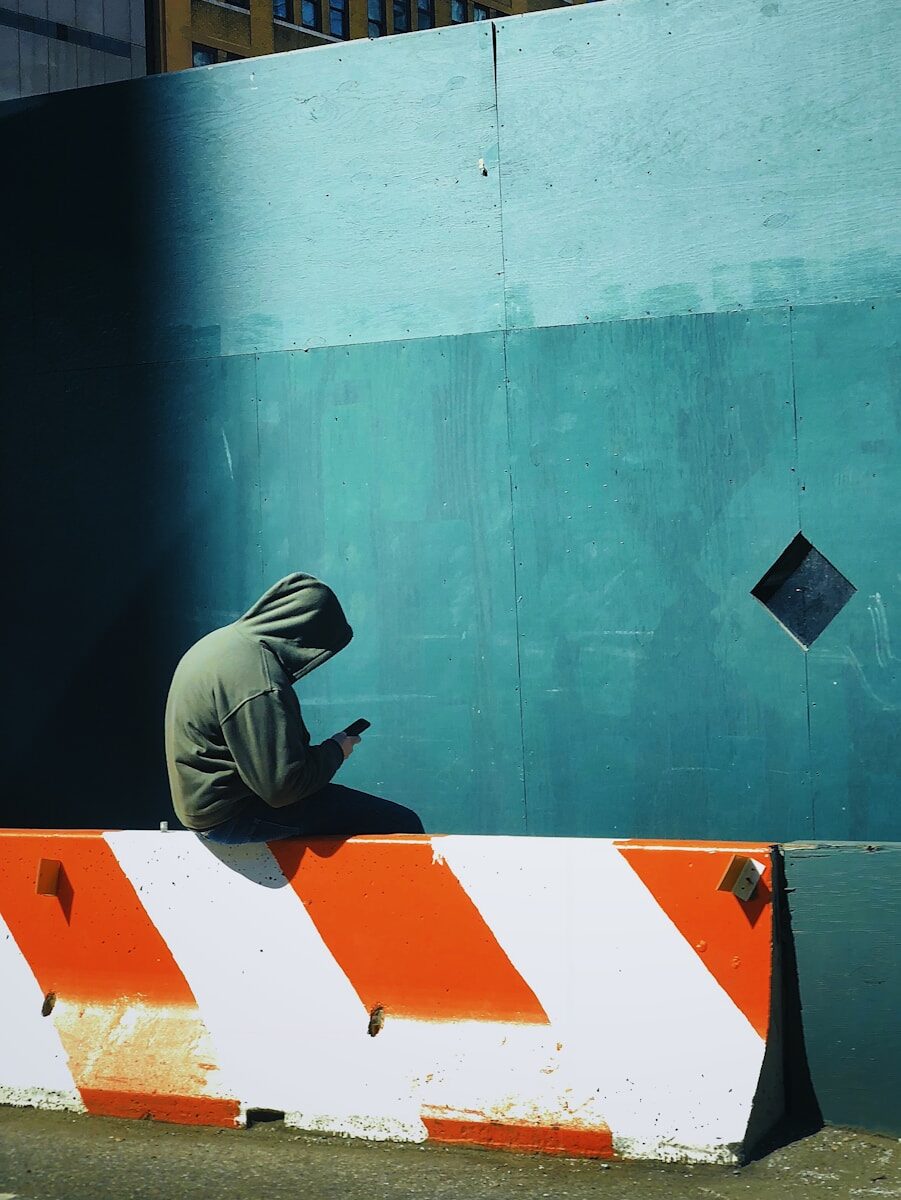
This is something I want us to sit with. The autistic people in our communities face daily exposure to what the research calls ‘societal barriers’: negative language, social rejection, assumptions, misunderstandings, stereotypes, discrimination, marginalization.
These are not abstract. These are the conditions that create trauma. These are the conditions I work with in my healing sessions, the wounds that come not just from personal history but from a world that repeatedly said: you are wrong, you are broken, you are too much, you are not enough.
Reducing stigma improves wellbeing. That means creating autism-friendly spaces. Positive representation. Training for professionals. Recognizing neurodiversity as natural, valid, and beautiful.
The Neurodiversity Movement: Reclaiming the Root
And this brings us to perhaps the most powerful reframe of all: neurodiversity.
Neurological differences are a natural and valuable part of human diversity. No two brains are alike. The neurodiversity movement, rooted in the work of scholars like Kapp (2013) and the voice of the autistic community itself, invites us to see autism not only as a disability created by barriers, but as a minority group identity. A neuro-minority. A community with its own culture, strengths, and wisdom.
“No one neurotype is more valid or valuable than another. (Gaddy, 2023)”
This is the same truth I hold about humans and healing: there is no single ‘right’ way to be in a body, in a nervous system, in this world. We are rooting deeply into what makes us who we are, not cutting ourselves from our own branches to fit someone else’s tree.
How We Talk About It Matters
One of the most practical and powerful things we can do, whether we are clinicians, healers, parents, or community members, is update our language. Language is not cosmetic. Language is a signal. It tells the person across from us whether we see their humanity.
Instead of saying ‘has symptoms of autism,’ we can say ‘autistic’ or ask someone’s preference.
Instead of ‘special interests,’ we can say ‘passions’ or ‘areas of expertise.’
Instead of ‘treatment,’ we can say ‘support, accommodations, strategies.’
Instead of ‘high functioning’ or ‘low functioning,’ we can describe what someone’s actual needs and strengths are.
Language is a form of care. And care is always possible.
Ready to Return to Yourself?
We are at a threshold moment. The autistic community is asking us to listen, to the social model, to neurodiversity-affirming language, to the understanding that barriers are not written into bodies, they are written into structures and beliefs. Those structures and beliefs can change.
I believe in liberation. For all of us. That is the root of this work.
If this resonates with you, whether you’re a therapist, a healer, a parent, or someone navigating your own journey, I invite you to join us for our upcoming seminars or book a 1-on-1 session. Let’s build spaces of true inclusion, together.
With love and rootedness,
Tania
From The Olive Roots